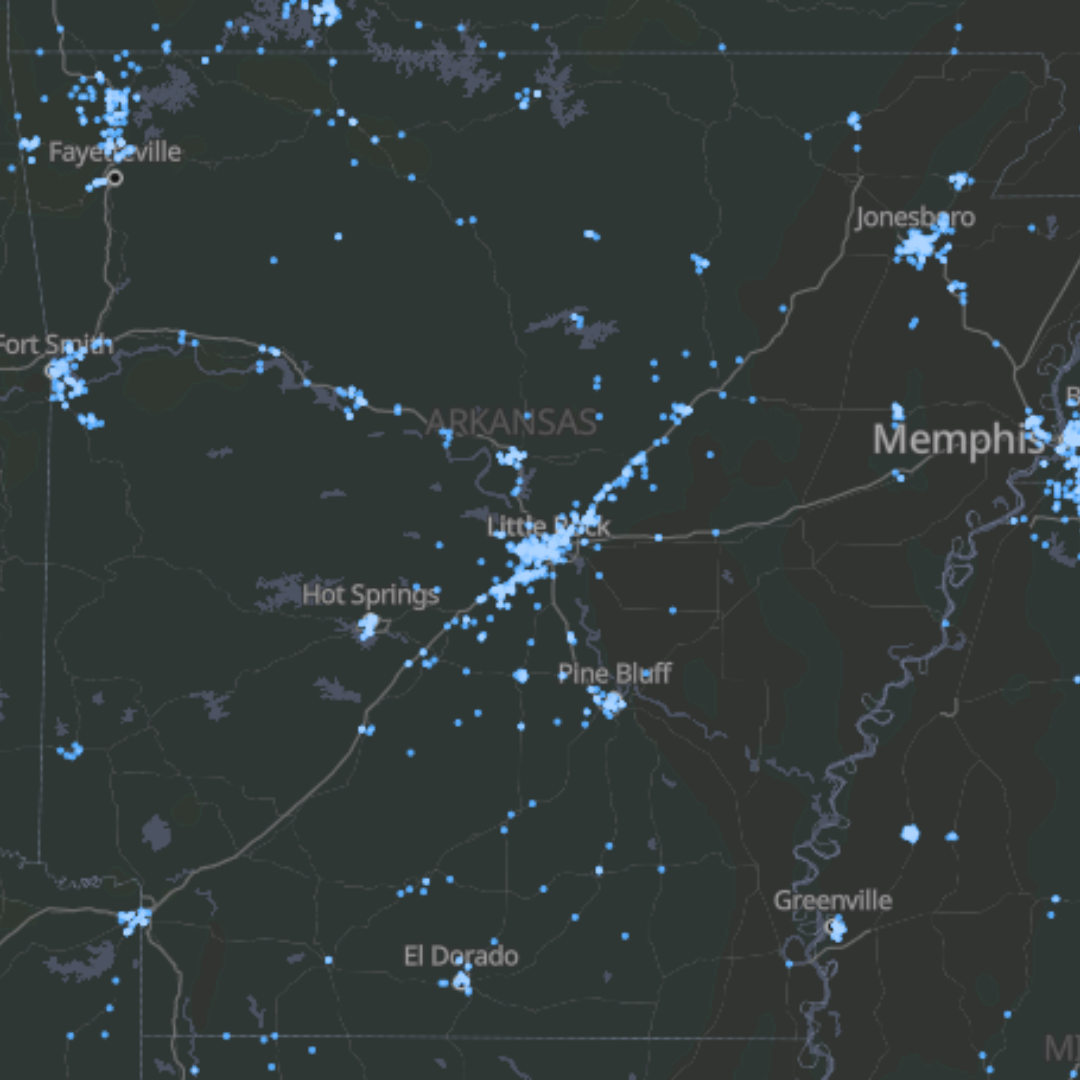
Photo Credits: Flock Camera Locations
Roughly 6,000 cities use surveillance cameras designed to capture license plate numbers and help law enforcement identify vehicles associated with fugitives and criminal investigations. The cameras are manufactured by Flock Safety, a technology company that provides surveillance systems to law enforcement agencies, schools, businesses and other organizations to help investigate, respond to and deter crime and traffic incidents.
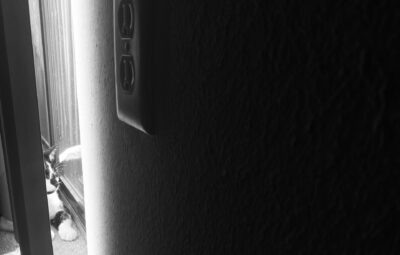
But Flock cameras can capture far more than license plates. The cameras use artificial intelligence to collect details about passing vehicles, including their make, model, color and distinguishing features such as scratches and dents. They can also capture pedestrians, bicyclists and animals who enter the camera’s field of view, raising questions about how much information is being collected and how that data is used.
Flock cameras began appearing in cities across Arkansas in 2023. Now, however, some communities are calling for the cameras to be removed, citing growing concerns over privacy and the extent to which the technology allows law enforcement to track people’s movements.
Six cities have voted to end the use of Flock cameras within their communities. Centerton, Farmington, Greers Ferry, Mayflower, Pea Ridge, and Searcy have all opted to discontinue their use of Flock Safety cameras. Cabot has temporarily stopped using the cameras while city officials continue discussions about whether to end their use permanently.
The reasons for ending the use of Flock cameras vary from city to city. For Searcy, the decision came down to cost and how often the system was being used.
“Our Police Department performed an internal review of the Flock System and determined it was being underutilized for the expense,” said Michelle Pugh, a spokesperson for Searcy’s mayor, Mat Faulkner. “This led Police Chief Steven Hernandez to recommend to the City Council that we not renew our contract with Flock.”
During the four years Flock cameras were installed in Searcy, officials said only one criminal investigation was greatly helped by their use. At the same time, some Searcy residents were advocating a ban on Flock cameras.
“I think Flock cameras are a threat to our right [to] privacy and can potentially be used to limit our freedoms,” said Amanda Simpson of Searcy.
Russellville has not yet commented on whether it will remove the multiple Flock cameras located throughout the city.
The debate, however, has continued on social media, particularly on Facebook, where Russellville residents have shared opposing views about whether the cameras should remain in the community.
“I don’t have an issue with them,” said one Facebook user. “They are extremely useful in solving crimes. The good that comes from their use, [sic] far outweighs the bad.”
Another user said, “There’s a wealth of problems that should have been settled before we even considered allowing them in our community. I think there’s also a pretty compelling argument that they violate constitutional rights when on or directed toward public property.”
As online discussions continue, the Russellville Police Department encourages anyone with questions or concerns about Flock cameras to contact the department so officers can explain how and why the technology is being used.